

Salaf (Ancestors)
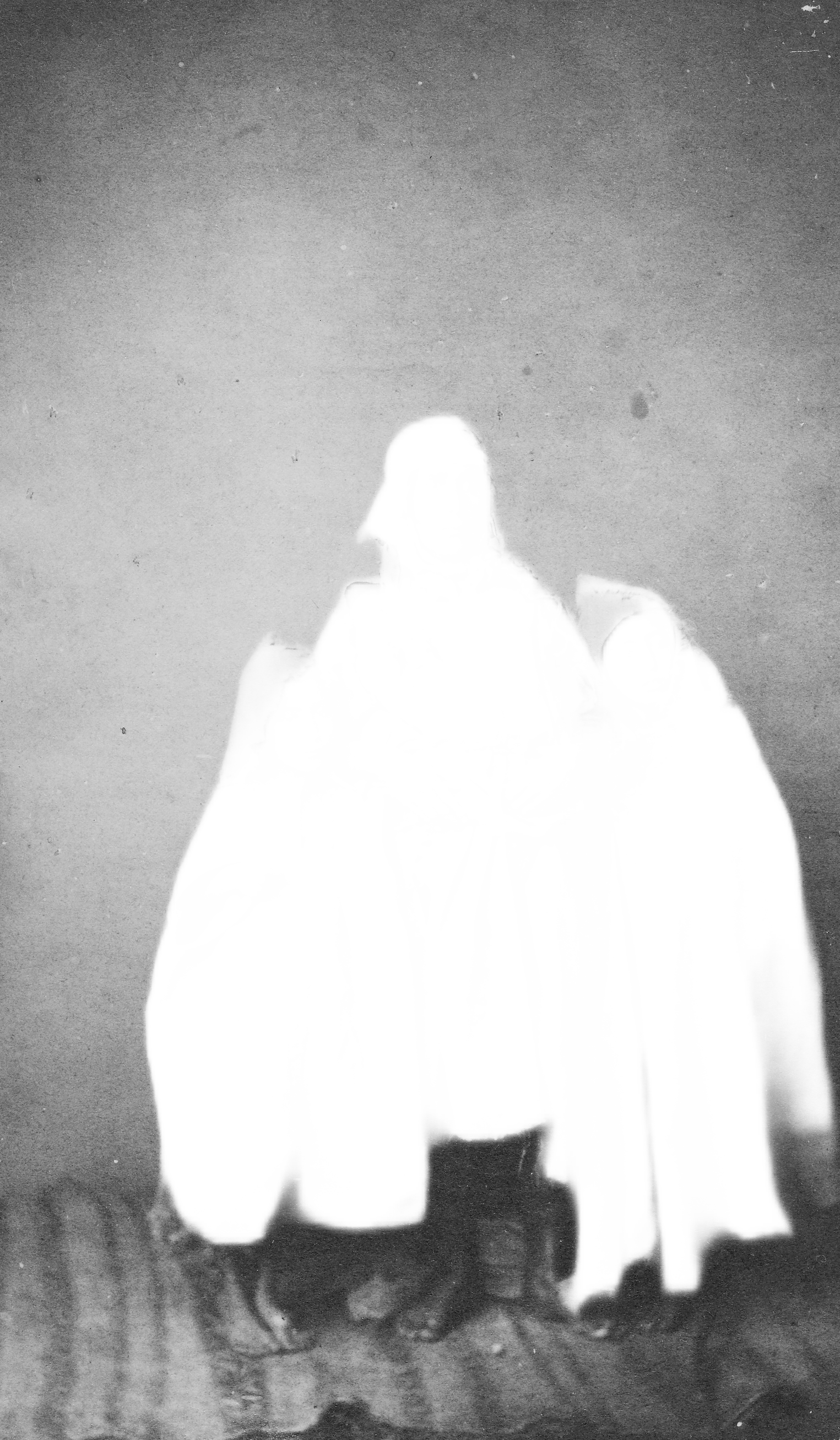
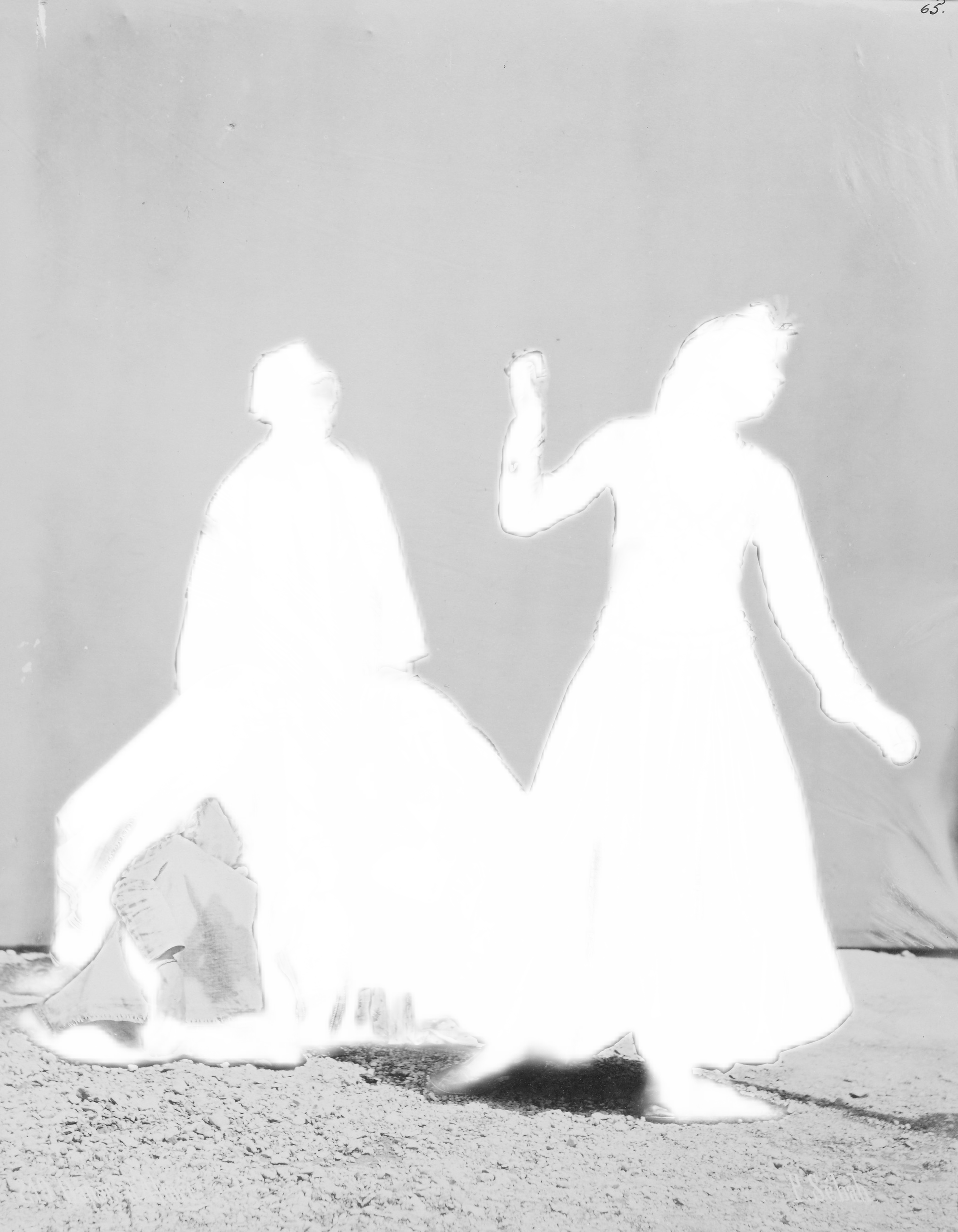
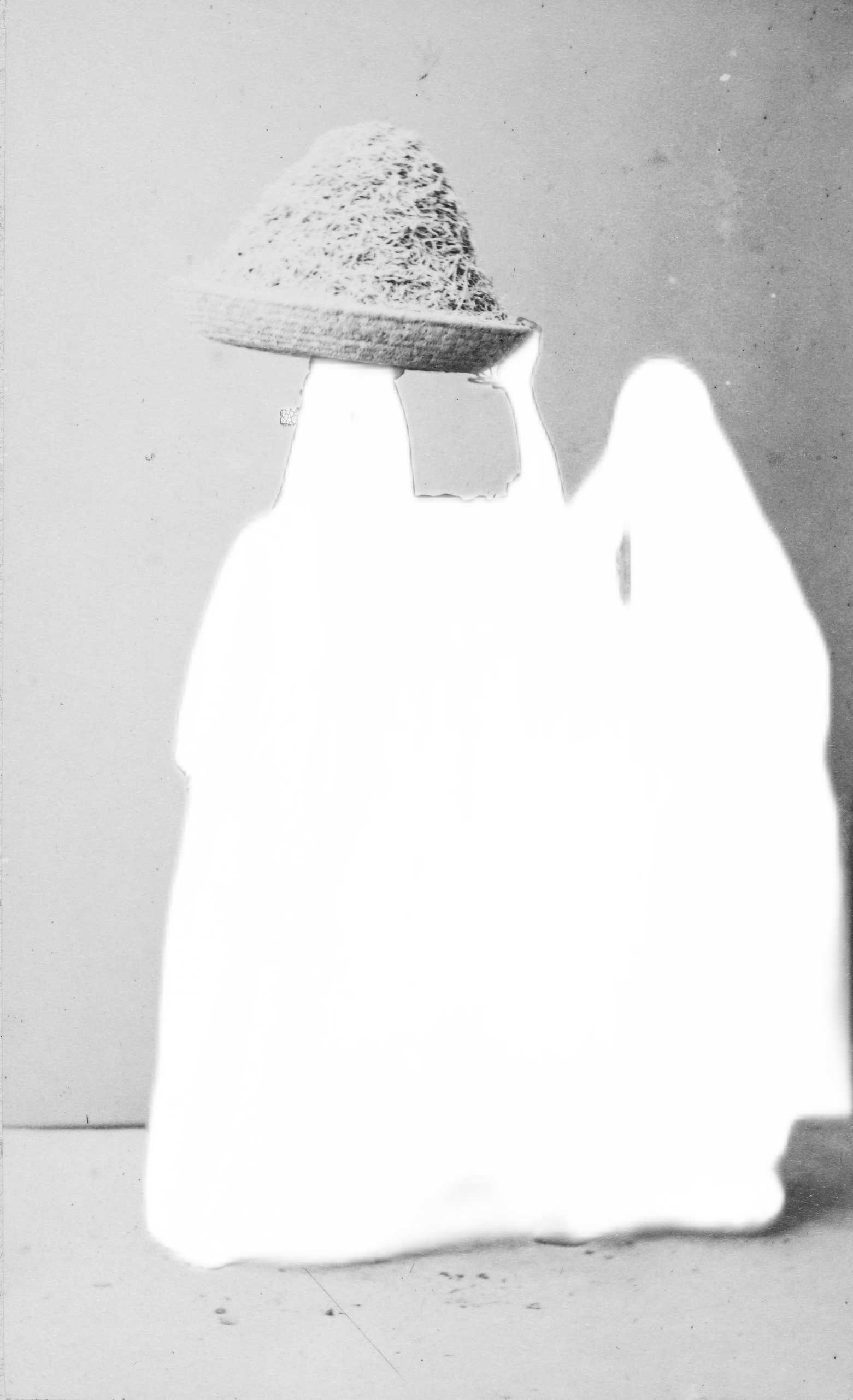
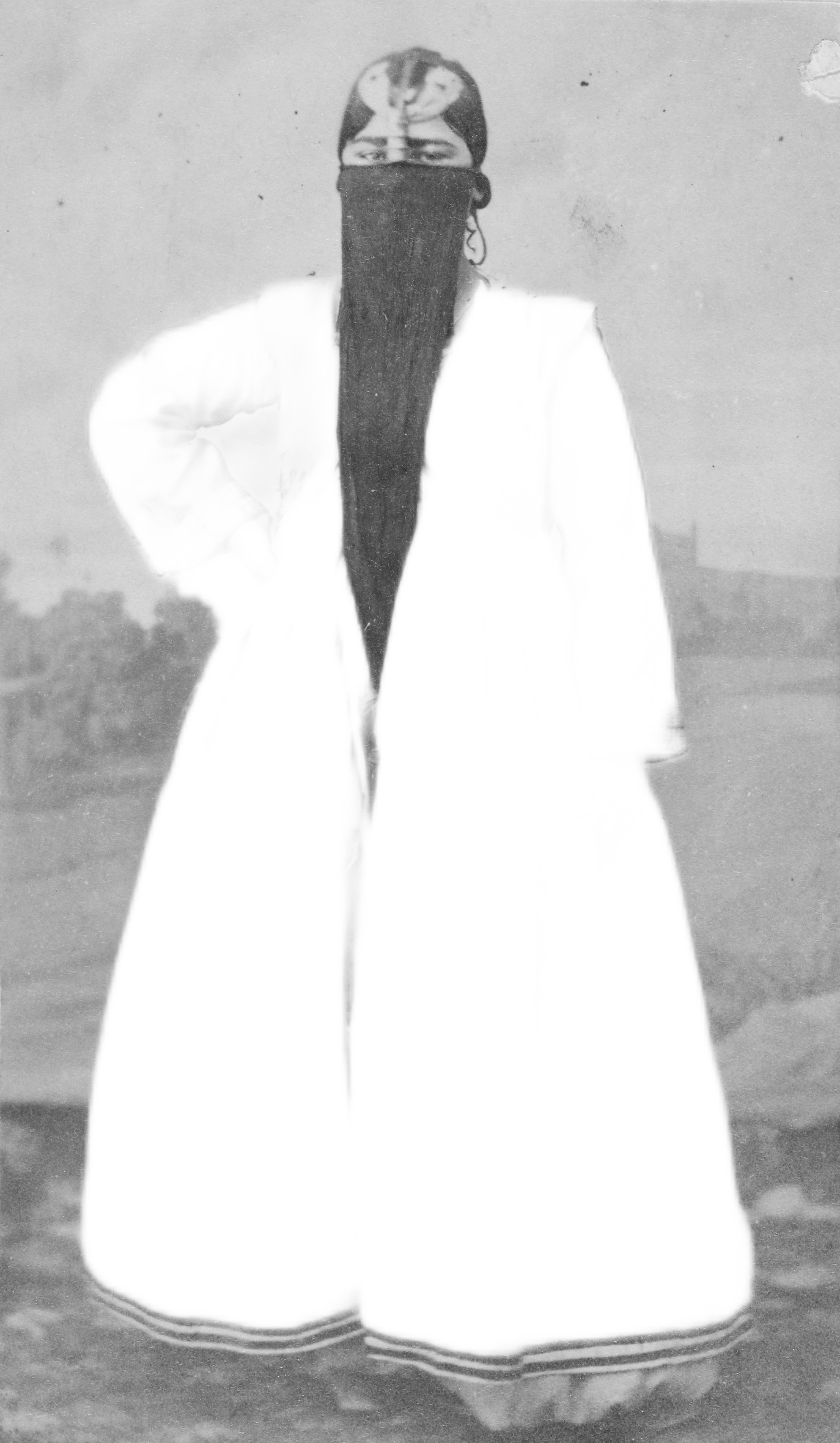
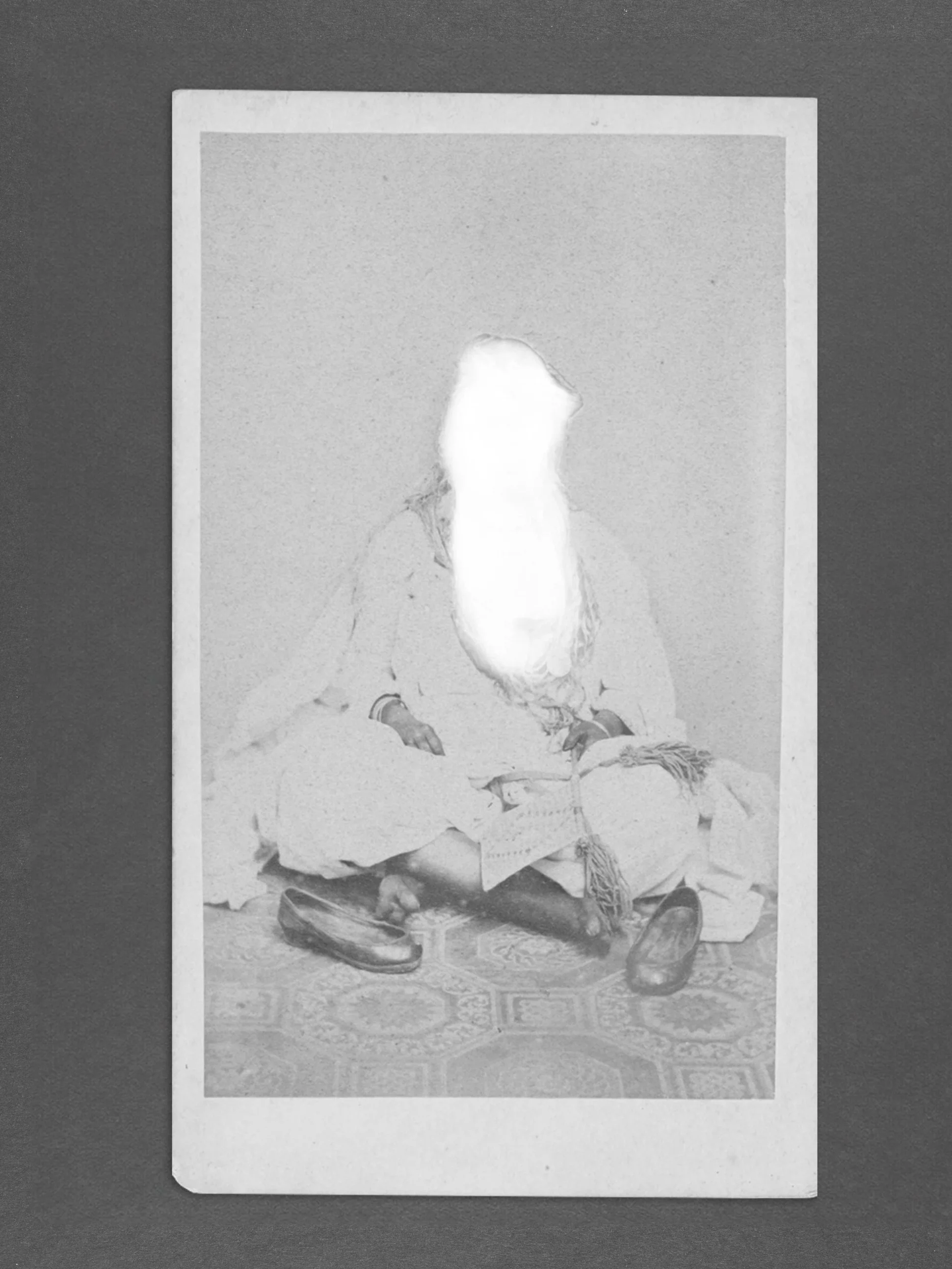
An archival dataset of ~4,500 image dataset symbolizing the limitations of data collection and AI systems in representing cultural histories.

Research Process

In the summer of 2020, I wanted to explore my identity through personal memory and machine intelligence. My goal was to use artificial intelligence as a tool to help me visualize the past and perhaps learn about something or uncover something unexpected.
As the technology was still emerging, I wondered what it might reveal if I gave it curated datasets and family photographs. Could AI help me piece together fragments of memory, history, and migration into a fuller picture?
I interviewed my mother and traced my genealogical history back to the 1800s through oral history.

Problematic Data
To have a conversation with visual AI models, I needed to collect data. For each decade in my mother’s story, I began gathering images from museum archives connected to the regions and time periods where my family had lived. I looked for anything that could offer a sense of everyday life, including what people ate, how they dressed, and what their surroundings looked like.
Through this process, I discovered that my ancestors had migrated across the Arabian Peninsula and Mesopotamia (which includes parts of present-day Iraq).
The images presented here were sourced from the archives of Gertrude Bell, the renowned explorer and archaeologist who traveled extensively across the Middle East and worked alongside Lawrence of Arabia.
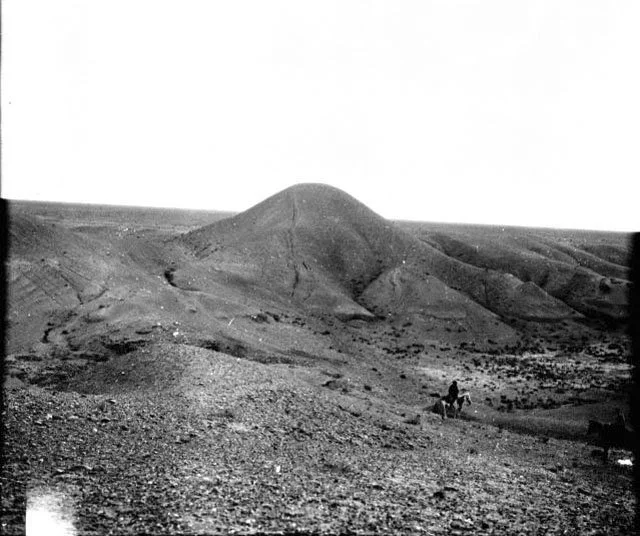
This is where I encountered my first problem. Much of the visual material I found had been produced or collected through the lens of the British Empire and reflected a colonial gaze that constructed the Middle East as the exotic “Orient” or “Other.” Many photographs staged their subjects through familiar Orientalist tropes, depicting figures dancing, smoking hookah, or performing an exoticized image of the region for Western audiences.


Computer Vision Failures
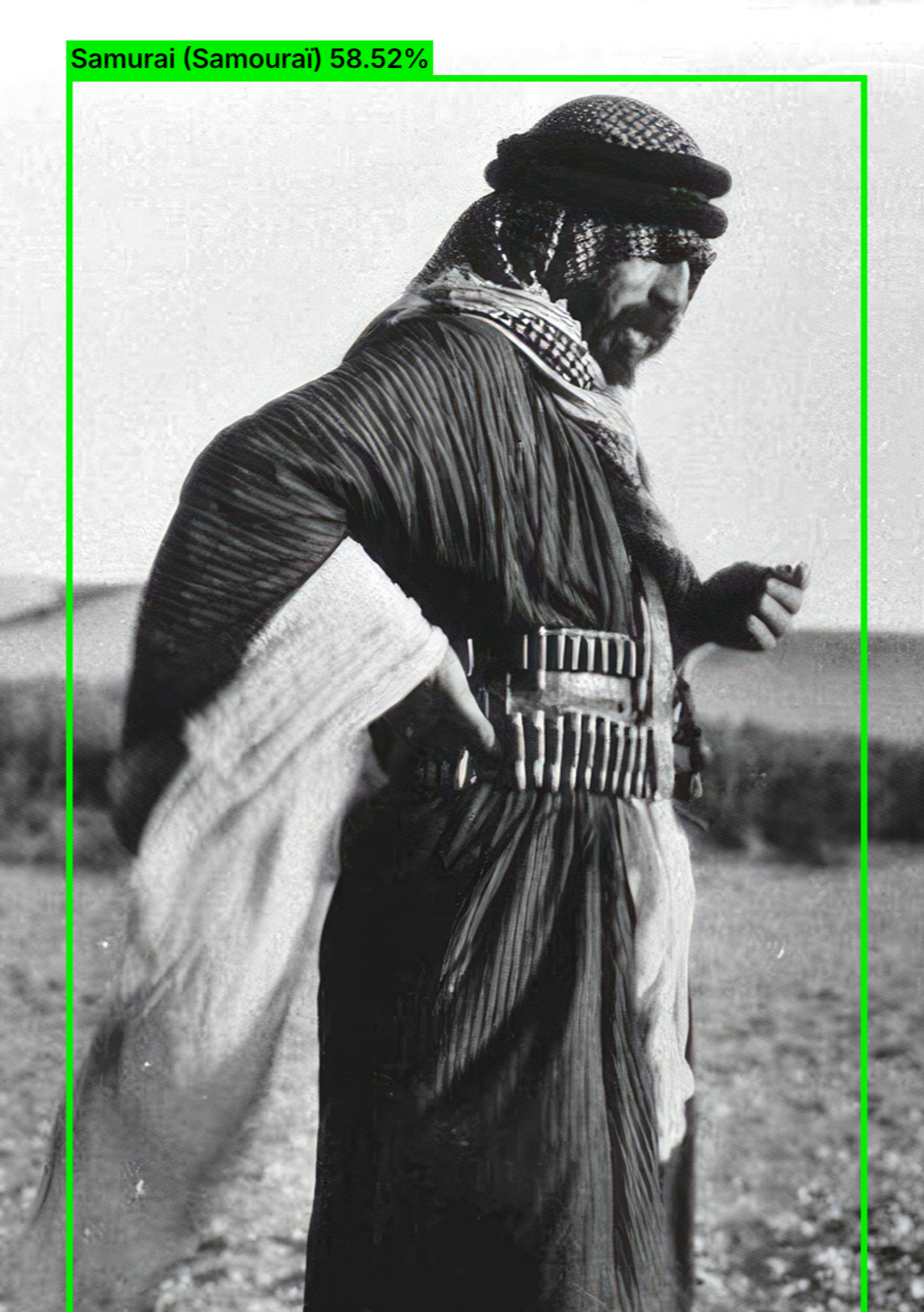
As I proceeded to test these images with computer vision models, this process revealed failures resulting in mislabeling, generalizations, and stereotypes. They failed to recognize the majority of veiled women as women and haphazardly tagged several of Gertrude Bell’s bedouin images with modern-day warfare labels such as “soldier, “army,” and “military uniform.”
These failures uncovered the prejudice systemically embedded within commercial AI tools and the broader issues with online data collection practices, particularly regarding which narratives are recorded and which are omitted.


An Absent Dataset
Using U2-Net, I applied salient object detection to the Orientalist images, a process that identifies and isolates the most visually prominent subject. I inverted this function to remove the detected subject, mirroring the absences and erasures I encountered within machine vision and the colonial archive itself.
By removing the subjects identified by the model, I reframed the archive as an “absent dataset”. I used absence as both a methodological and visual strategy to make visible the gaps embedded within archival and data collection practices, while tracing continuities between colonial systems of categorization and the logic of machine classification.